Blog
A Well-Adjusted Backpack…

…makes all the difference in your child’s spinal health during the school year. Day after day of schlepping a heavy backpack around will take its toll, especially on small backs and cores that have not developed the muscles necessary to cope with such heavy loads. In fact, many adults are also suffering from the burden brought on by over-stuffed backpacks and poor posture. During the school year, it may be impossible to avoid bringing a heavy backpack to school; however, observing a few simple tips can help us minimize the damage that this could be doing to our backs.
- Minimize the load: please carry only the bare essentials. Ideally, the bag should weigh, at most, only 15 percent of the carrier’s bodyweight.
- Keep the bag adjusted properly: many kids will fall victim to the trend of loosening the shoulder straps and letting the bag hang low, pulling on the muscles of the shoulders and neck.
- Always use both straps: This will distribute the weight evenly, encourage a healthier posture and reduce the burden on the neck.
- Put the bag on at table height: avoid bending over to pick up the bag, or slinging it on your shoulder.
The best bag is an empty bag. For parents concerned with the toll that heavy backpacks may be taking on their child’s spine, give our office in Houston a call. We offer the ergonomic advice that will help you find a properly-suited bag and help you wear it properly and proudly. We can be reached at (713) 862-2440.
Dr. Randall Holmes, D.C.
Losing Weight for your Back’s Sake

When it comes to leading a life with less back-pain, losing weight is one of the most lasting ways you can effect improvement. I say lasting because nothing about weight loss is immediate: the process of shedding excess poundage is gradual and it requires a commitment to nutrition, exercise and lifestyle modification. At Holmes Chiropractic, we know that the best way to achieve any health goal is teamwork and to this end, we offer you our services as both moral support, teammate and coach.
How we help:
- Chiropractic adjustment ensures that spinal imbalance is not holding you back. Keeping the nervous system regulated goes a long way toward weight loss, and you will feel more flexible and motivated to get moving if your body is in a state of balance.
- Nutrition…let’s take this slow. While there is no need to completely overhaul your diet, there may be a need to do simple things like drinking more water or replacing processed fats and sugars with healthy ones.
- Reducing stress…releasing tension and boosting your mental well-being makes you more likely and able to take the initiative of losing weight.
- When it comes to exercise, every body is different. This means that depending on your overall condition, including considerations for pain and beginning weight, we tailor a specific set of exercises that will ease you back into the world of activity.
Yes, weight loss is, by nature, a gradual process: it surely helps to have someone there to keep you accountable every step of the way. Give our office in Houston a call and find out how we can start making the small changes that will lead to a new you.
Dr. Randall Holmes, D.C.
Getting Wet

Swimming is a highly effective, low stress exercise. As aerobic workouts go, it is one of the best because it builds and tones muscle without dealing stress to joints, as is the case with running. It is a whole-body exercise that can benefit anyone from the fittest athlete to someone suffering a musculoskeletal limitation. With the weather continually hovering high, it also feels great to take a dip. Here is how swimming helps improve your overall wellness:
- Respiratory health: swimming increases your lung capacity because it is denser than air, forcing your body to work harder in order to supply oxygen to its vital processes. As you swim more and more, your body will acclimatize to this higher work rate and you will see a noticeable uptick in respiratory health.
- Flexibility: improve range-of-motion and lengthening muscles, being in the water is one of the best ways to become more flexible.
- Encouraging weight loss: you are burning calories without feeling it the way you would during a run. A swim is a total-body workout that contains none of the strains inherent in running.
- Promoting happiness and mental health: being in the water can improve your mood. When you first step in the pool, just let yourself float for a few seconds and feel the tension and gravity melt away.
The resistance of the water provides a natural muscle-builder. From a chiropractor’s perspective, swimming is a no-brainer activity because it provides maximum reward while containing the lowest amount of impact inherent in any sport. If you are comfortable in the water, we urge you to take advantage of the pool, lake or ocean and swim a few laps for your health. For help on optimizing your health this summer, give our office a call.
Dr. Randall Holmes, D.C.
Chiropractic: the Natural Way to Improve Athletic Performance
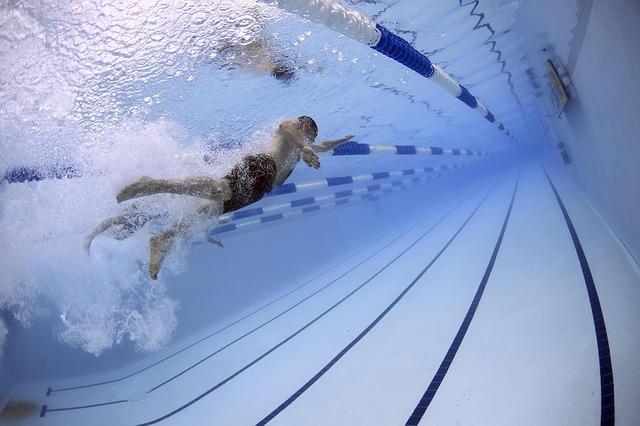
When it comes to increasing performance to a higher standard, few options are as potent as chiropractic. There are innumerable ways that chiropractic helps the serious athlete, and its efficacy is proven by the growing ranks of professional athletes who use chiropractic as a part of their repertoire.
Here are some of the ways that chiropractic helps the athlete within you:
- Improved mobility: range of motion is immediately improved, allowing you to move as you were intended. By releasing accumulated tension, mobility is improved.
- Treats sport-specific injuries: have you suffered from tennis elbow? sports hernia? Different injuries correspond to different sports, but both high and low-impact sports come with their own set of risks. Chiropractic lowers the risk of injury for both while reversing the strains that are inherent in athletic endeavor.
- Injury prevention: misalignment in the spine is a key retardant to successful rehabilitation. We focus on reducing inflammation and improving blood circulation, to bring nutrients and oxygen to areas that are in dire need.
- Decrease pain in the ligaments, joints and muscles. Chiropractic adjustment alleviates pressure on spinal nerves which can cause pain and also combats the severity and frequency of acute back pain.
One of the biggest reasons athletes suffer injury is because of asymmetry in the body: if one side of the body is weaker than the other, then limitations will obviously ensue. Often times prolonged periods of tension in one side of the body can cause misalignment. At Holmes Chiropractic, we are well versed in the biomechanics of an athlete’s body. Call our office in Houston and let us start helping you optimize your athletic performance today.
Dr. Randall Holmes, D.C.
Headaches

Headache is among the most common reasons for doctor visits in America. People are quick to reach for pain-numbing over-the-counter medicine, which is a short term solution that will only cause the pain to dissolve temporarily. A one-off headache is something that we all experience at different points in life; however, if you are suffering from chronic (defined as recurring regularly or persisting for a long period of time) headaches, it is worth searching for an underlying cause.
The Doctor of Chiropractic is concerned with the type of headache that is derived from musculoskeletal imbalance. At Holmes Chiropractic, we offer the chronic headache sufferer a thorough examination to determine whether their condition may be partially or fully related to spinal misalignment, muscular tension or joint malfunction. Subluxation, in particular, causes headache because the pressure on the nerve creates pain that can be referred, and therefore felt, in the head. Our treatment corrects subluxation and releases accumulated tension that may be causing you pain. Furthermore, we focus on enhancing blood circulation to ensure that the brain (as well as all the functioning systems in your body) is receiving an adequate flow of oxygen and nutrients.
We are not naive enough to proclaim that our treatment will solve every headache. We can offer you an honest evaluation that will determine whether your headaching could benefit from an adjustment or attention to a problematic region in the back. Give our office in Houston a call and let us help you reduce the grip that headaches have over your life.
Dr. Randall Holmes, D.C.
Stretching to Impact Flexibility
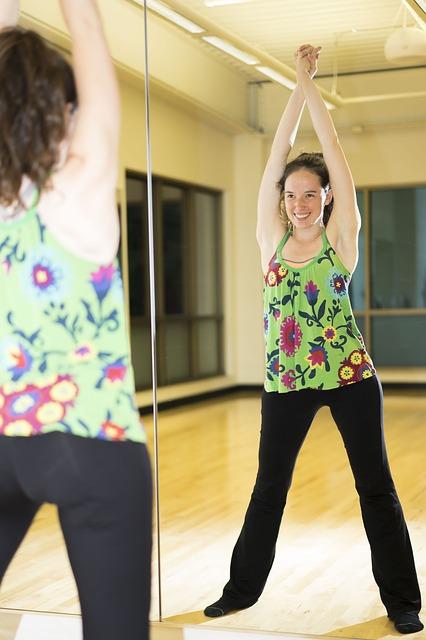
Improving flexibility will increase your agility, improve athletic performance and prevent injury. But how does stretching actually “create” or improve flexibility? Human flexibility is determined by the mobility of ligaments, joints, tendons and muscle. To understand stretching it is important to understand the function of each. Ligaments connect bone to bone and tendons connect muscle to bone.
Many modern lifestyles introduce people to hours of sitting in which the body becomes used to a limited range motion and muscles become short and wide. When we stretch, we focus on stretching the muscle, and the point where tendons and muscles meet. A stretch that targets a specific muscle will start in the middle of the muscle and move out to where muscle and tendon meets. The muscle fibers and tendons elongate during a stretch, reducing tension and improving range of motion.
At Holmes Chiropractic, we aim to change this trend: by getting you out of your chair, casually stretching and, most importantly, warming up and cooling down before and after physical activity, we can affect a change in your body’s standard level of flexibility.
Dr. Randall Holmes, D.C.
A Healthy Summer

At Holmes Chiropractic, we remember the summer days of our youth with fondness. It is a time of endless adventure and free time in the sun with friends and family. Here are a few ways to maximize the enjoyment of summer for your entire family.
- Vitamin D: get the whole family outside to soak up the sun, boosting immune function and bone health. This is especially important for young children.
- Take breaks and seek shade: direct sun exposure for hours on end can be harmful, so make sure that you take regular breaks and hydrate, because you will be losing more water than usual with the heat.
- Use sunscreen without the following ingredients: PABA, 4-MBC, OMC, Homosalate or Benzophene-3. Cheap sunscreen contains a lot of chemicals that may be more harmful to our bodies than the sunlight.
- Snacks: kids and adults alike can revel in the enjoyment of fresh fruit and veggies from the farmers market. A focus here should be on fresh produce rather than processed fats and sugars.
Kids and parents alike can also benefit from chiropractic care. As we are more active in the summer, our risk for injury is much higher. This means that a regular chiropractic treatment can save you from hours of pain down the road. Give our office in Houston a call at (713) 862-2440.
Dr. Randall Holmes, D.C.
Stress, both Physical and Mental

Stress and back pain exist in a state of symbiosis: each fuels the other. In a malicious cycle, stress leads to pain which, in turn, leads to more stress. We know that leading a life of high mental stress encourages your muscles to rest in a state of tension rather than relaxation. Prolonged muscle tension leads to a grab-bag of problems including subluxation, back pain, headaches and high blood pressure.
Chiropractic is a reasonable consideration for people suffering from stress. We focus on correcting misalignment; ensuring that spinal nerves are free of the interference which causes pain and dysfunction. Furthermore, our treatment focuses on releasing the accumulated muscle tension and improving circulation of oxygen and nutrients through the body. Removing pain from the equation makes combating mental stress easier.
At Holmes Chiropractic, we do not proffer a cure all for stress. For example: there is no way we can make your job less stressful. However, our treatment will help you overcome the physical pain caused by stress. We also offer counseling on nutrition and lifestyle adjustments which can make it easier to effectively manage your stress. We want to show you how a balanced spine is an integral part of a stress-free life. Call our office in Houston at (713) 862-2440.
Dr. Randall Holmes, D.C.
Golfing in Houston

Golf and chiropractic go hand-in-hand: with the season swinging in Houston, ensure your back is in a state of alignment and health by calling our office and scheduling an assessment today. When subluxation pre-exists without you knowing, one part of the body could be exposed to more pressure than the rest, subsequently becoming strained from the excess.
At Holmes Chiropractic we offer the following to the golfers in our area:
- Spinal adjustment: to improve spinal mobility and reduce pain.
- Rehabilitation exercises
- Swing advice: lessening the amount of rotation during your swing can reduce the chance of creating damage through excess torsion.
- Core strengthening exercise: to provide stability to the body and resistance against the strain of torsion created by the golf swing.
Because the golf swing is a naturally harmful motion to the spine, we seek to keep your body in the kind of shape that will resist injury so that you can keep swinging without fear of debilitating pain. Whether you are a golfer seeking preventative solutions for keeping yourself flexible and strong, or someone looking to get back on the course for the first time in years because of back pain, we are here for you.
Dr. Randall Holmes, D.C.
Sciatica

Sciatica is a disorder that is most commonly characterized by mild to intense pain in either the right or left leg. The sciatic nerve is the largest single nerve in the entire body, running from the sacrum through the buttock and through the hip into each leg. Five sets of paired nerve roots combine to form the sciatic nerve and an impingement to any one (or more) of these roots can lead to sciatic nerve pain.
Spinal disorders that lead to impingement on the sciatic nerve roots include:
- Piriformis syndrome
- Herniated disc
- Spondyloisthesis
- Lumbar spinal stenosis
If the disorder that has led to your sciatic nerve pain is structural, chiropractic can help relieve the pressure to the nerve. At Holmes Chiropractic, we use a combination of modalities to treat your sciatic nerve pain.
- Ice/cold therapy to reduce inflammation and control pain.
- Spinal adjustment: to restore misaligned vertebrae to their proper position, stopping them from impinging on nerves.
If you are tired of living with sciatic nerve pain, call our office in Houston at (713) 862-2440 to get an evaluation and find out how we can get you on the path to living pain free.
Dr. Randall Holmes, D.C.