Subluxation and Kids
Understanding Subluxation in Children
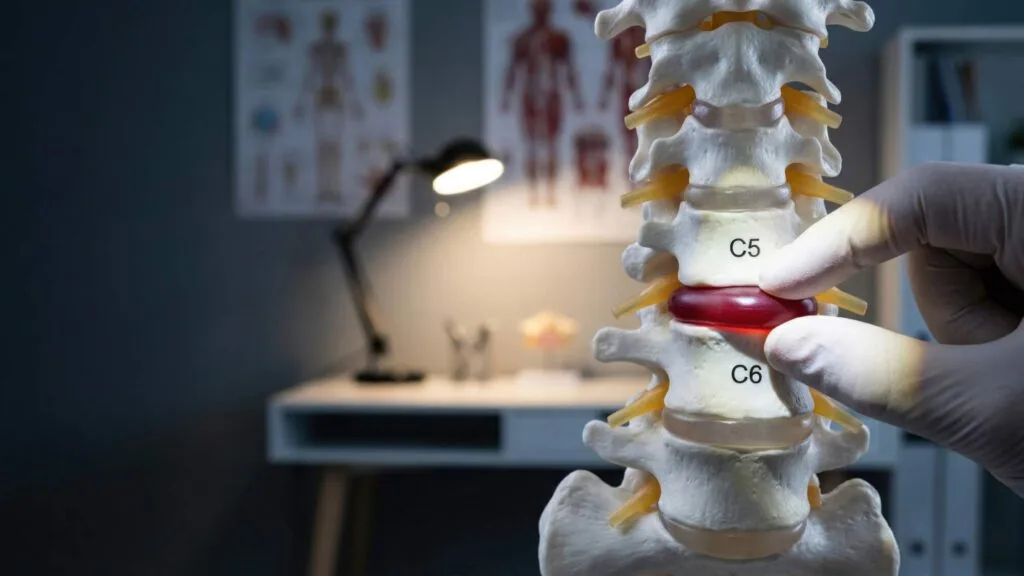
A subluxation is a partial misalignment of the vertebrae that can interfere with nerve function and spinal mechanics. In children, subluxations often develop silently — without obvious pain or symptoms — making them easy to miss until they’ve already begun affecting posture, movement patterns, and overall development.
Kids encounter subluxations in surprisingly common ways. Birth itself can stress the spine. As children grow, falls during play, sports injuries, poor backpack habits, and prolonged screen time all contribute to spinal misalignment. The difference between adults and children is critical: a child’s spine is still developing, and early misalignments can become embedded into their growing structure, setting the stage for chronic issues later in life.
How Early Misalignments Compound Over Time
The spine doesn’t just support the body — it protects the nervous system, which controls everything from movement and coordination to immune function and organ health. When vertebrae shift out of alignment, they can irritate nerves and restrict normal spinal mobility. In a growing child, this interference doesn’t just cause immediate discomfort; it shapes how the spine develops.
Think of it like a tree growing with a slight lean. Left uncorrected, that lean becomes more pronounced as the tree grows taller. The same principle applies to a child’s spine. A minor misalignment at age 6 can compound into significant postural distortion by age 12, affecting how muscles develop, how the child carries weight, and how their nervous system functions. These patterns often persist into adulthood, creating the foundation for neck pain, back pain, and movement dysfunction that might not surface until the teen years or beyond.
Signs of Subluxation You Might Notice
Because subluxations can be asymptomatic, parents shouldn’t wait for obvious complaints. However, certain signs warrant a chiropractic evaluation:
- Persistent poor posture or slouching, even when reminded to sit up straight
- Favoring one side of the body or tilting the head habitually
- Frequent stumbling, clumsiness, or balance difficulties
- Complaints of neck or back stiffness after school or sports
- Limited neck rotation or difficulty turning the head
- Complaints of headaches or fatigue unrelated to illness
- Uneven shoulder or hip height
Even in the absence of these signs, preventive spinal checkups are valuable. Many parents bring their children in for dental exams and eye exams before any cavity or vision problem appears — the same logic applies to spinal health.
The Case for Early Chiropractic Checkups
A chiropractic evaluation from Dr. Holmes can detect subluxations before they become entrenched. Dr. Randall Holmes uses gentle, age-appropriate assessment techniques to evaluate a child’s spine, posture, and nerve function. Early detection allows for simple, non-invasive corrections that work with the child’s natural growth and development rather than fighting against years of compensatory patterns.
The goal isn’t to treat disease — it’s to optimize spinal alignment during the critical years when the spine is most responsive to care. A child whose spinal alignment is maintained during growth is more likely to develop strong posture, efficient movement patterns, and better nervous system function. These benefits extend beyond pain relief; they support athletic performance, concentration, immune resilience, and overall vitality.
Investing in Long-Term Health
Early chiropractic care is genuinely preventive. It’s an investment in your child’s structural health that pays dividends for decades. The minor time and cost of a checkup now can spare your child from years of postural compensation, chronic pain, and functional limitations later.
Parents in the Houston area who want to give their children this advantage are welcome to schedule a pediatric chiropractic evaluation. Dr. Holmes specializes in family care and works with kids of all ages to support their growing bodies and long-term wellness.
Call 713-862-2440 or visit our contact page.