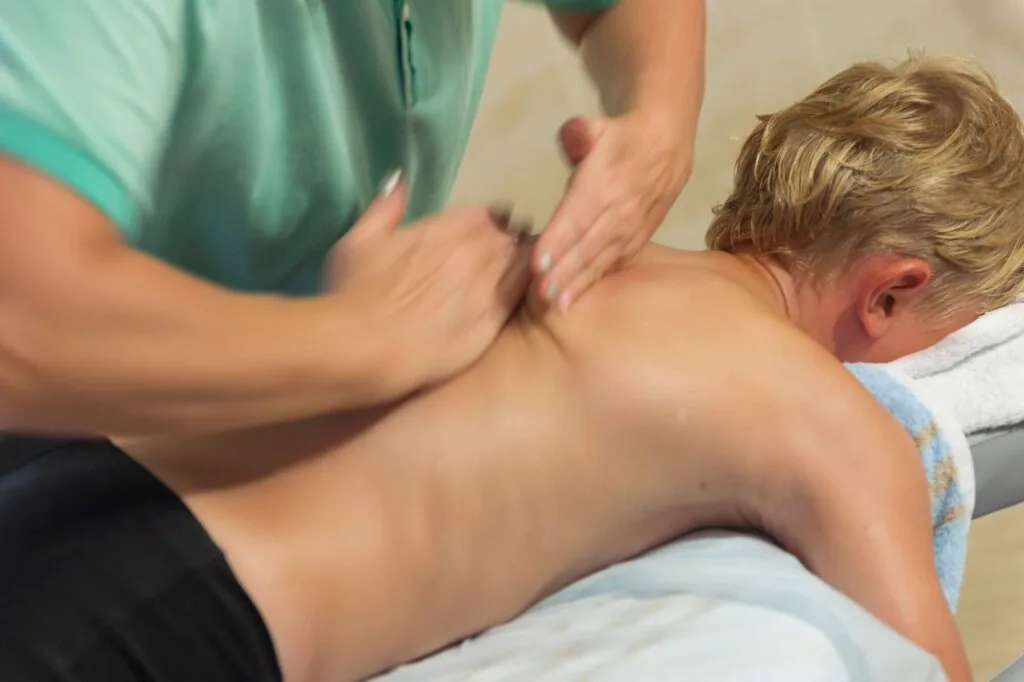
Kids’ Sports Injuries Shouldn’t Wait
The Cost of Waiting on Youth Sports Injuries
When your child takes a tumble on the soccer field or lands awkwardly during basketball practice, your instinct might be to watch and wait. A little ice, rest, and time often seem like enough. But what looks like a minor sprain or strain today can develop into a chronic problem that affects your young athlete for years—or even decades—if it’s not properly assessed and treated early.
Youth sports injuries are common, but their long-term impact often goes overlooked. The difference between a quick recovery and a lingering issue often comes down to whether a child receives proper evaluation and care within the first few days of injury.
Minor Injuries Become Major Problems
When a child suffers a sports injury—a twisted ankle, a shoulder strain, or a fall that jars the spine—the damage isn’t always visible. Soft tissue swelling, ligament stress, and spinal misalignment can all occur without obvious signs. If these injuries go unaddressed, your child’s body begins to compensate.
Compensation happens when the body shifts movement patterns to avoid pain or instability in the injured area. A child with an ankle sprain might favor one leg, placing extra stress on the opposite knee and hip. A shoulder strain can alter how a young athlete throws or catches, throwing the entire kinetic chain out of balance. These compensation patterns don’t resolve on their own—they become reinforced with every practice and game, leading to new injuries in areas far removed from the original problem.
This is called a compensation cascade, and it’s one of the most common reasons young athletes develop chronic pain or recurring injuries. What started as one manageable injury becomes two, then three, each one building on faulty movement patterns established during the initial recovery period.
Early Assessment Stops the Cycle
A chiropractic assessment from Dr. Holmes within 24–48 hours of injury can identify misalignments, soft tissue damage, and movement dysfunction that X-rays alone might miss. This early evaluation does more than confirm what hurts—it establishes a baseline and prevents your child’s body from settling into harmful compensation patterns.
By addressing the injury while it’s fresh, chiropractic care helps restore proper alignment, reduce inflammation, and support natural healing. This isn’t about pushing your child back into sports immediately; it’s about giving their body the best chance to heal correctly the first time.
Performance and Prevention Go Hand in Hand
Young athletes who receive early care don’t just recover faster—they often return to their sport stronger and more resilient. Proper spinal alignment improves balance, proprioception (body awareness), and coordination, all of which enhance athletic performance and reduce re-injury risk.
Think of it as preventive maintenance. Just as you wouldn’t ignore a small oil leak in a car, ignoring a child’s sports injury invites bigger problems down the road. Early chiropractic care is an investment in your child’s long-term athletic health and overall wellness.
‘Wait and See’ Delays Healing
Parents sometimes hesitate to seek care for minor-seeming injuries, assuming rest alone will resolve the problem. But passive rest without proper assessment can actually slow healing. Without professional guidance, inflammation may persist longer than necessary, scar tissue can form in suboptimal patterns, and movement restrictions can worsen without physical support or gentle mobilization.
In Houston’s competitive youth sports environment, waiting often means missing critical windows for optimal recovery. The sooner your child receives a professional evaluation and targeted care, the sooner they can return to full participation—and the lower their risk of developing compensation-related injuries later.
A chiropractic assessment from Dr. Holmes for a youth sports injury includes evaluating spinal alignment, assessing joint mobility, checking for soft tissue damage, and analyzing movement patterns. From there, a tailored care plan might include gentle adjustments, soft tissue therapy, mobility exercises, and guidance on safe return-to-play progression.
The goal is never to rush kids back into sports. Instead, it’s to support their body’s natural healing process and ensure they return as healthy and capable as possible.
If your young athlete has recently suffered a sports injury—no matter how minor it seems—an evaluation can make the difference between a complete recovery and the start of a cycle of recurring problems. Don’t let a small injury grow into a chronic issue.
Call 713-862-2440 or visit our contact page.