Posts by Randall Holmes
Phone Posture

The Hidden Cost of Constant Phone Use
If you’ve noticed your teen hunched over their phone, you’re witnessing a posture pattern that’s becoming epidemic among young people. The condition has even earned a name: text neck. It refers to the forward-head posture that develops when someone spends hours looking down at a phone screen, and it’s reshaping the spines of an entire generation.
The problem isn’t just aesthetic. When your teen’s head drops forward to look at their phone, they’re placing enormous stress on the cervical spine—the seven vertebrae in the neck that support the head’s weight and protect delicate nerves. A head typically weighs 10 to 12 pounds when properly aligned over the shoulders. But for every inch the head moves forward, that weight effectively multiplies. At a 45-degree angle (a common text-neck position), the cervical spine experiences forces equivalent to 50 pounds or more.
How Text Neck Develops and What It Does
Text neck doesn’t happen overnight. It’s the result of repeated, chronic forward-head posture that gradually trains the spine into a misaligned position. When teens spend 4–6 hours daily (or more) looking down at phones, they’re reinforcing poor postural habits during years when their spines are still developing.
This chronic position affects more than just the neck. The forward-head posture creates a cascade of problems:
- Cervical subluxation (partial misalignment of neck vertebrae) that pinches nerves and restricts blood flow
- Muscle strain in the neck, shoulders, and upper back as these muscles work overtime to compensate
- Tension headaches and migraines triggered by muscle tightness and nerve compression
- Reduced mobility and flexibility in the neck and shoulders
- Long-term postural habits that become harder to break as teens get older
The real concern is habit formation. The postural patterns your teen establishes now are likely to persist into adulthood, setting them up for chronic neck pain, headaches, and other spinal health issues down the line.
Practical Daily Corrections
The good news: text neck is preventable with awareness and simple adjustments. Help your teen implement these habits:
- Bring the phone to eye level. Instead of looking down, hold the phone at approximately eye height when texting or scrolling. This keeps the head neutral and the cervical spine aligned.
- Take regular breaks. Every 20 to 30 minutes, have your teen look away from the screen, stretch their neck gently side to side, and roll their shoulders backward.
- Strengthen neck and shoulder muscles. Encourage posture-supporting exercises like wall angels, reverse shoulder flys, and gentle neck stretches. Stronger muscles help hold proper alignment.
- Practice proper sitting posture. When using a computer or phone at a desk, feet should be flat on the floor, elbows at 90 degrees, and the screen at eye level.
- Set screen-time boundaries. More time away from phones means less time reinforcing poor posture and more opportunity for the spine to stay in neutral positions.
Chiropractic Care for Prevention and Correction
While daily corrections are essential, professional chiropractic care from Dr. Holmes can address misalignments that have already formed and prevent them from worsening. Dr. Holmes is experienced in working with teens and can:
- Assess the current state of your teen’s cervical spine alignment and overall posture
- Identify early subluxations before they cause pain or nerve interference
- Perform adjustments to restore proper alignment and mobility
- Teach your teen specific stretches and exercises tailored to their needs
- Monitor spinal health over time to catch postural drift before it becomes chronic
Chiropractic care for teens is preventive and proactive—not a response to pain, but a way to support the healthy development of their spine during these formative years.
Start Now, Protect Their Future
Text neck is a modern problem with straightforward solutions. By helping your teen become aware of their posture, encouraging healthy phone habits, and seeking chiropractic guidance from Dr. Holmes early, you’re investing in their long-term spinal health and vitality. The habits and alignment they establish now will shape their comfort and mobility for decades to come.
Call 713-862-2440 or visit our contact page.
Why Your Joints Feel Stiff in the Morning — and What to Do About It

The Morning Stiffness Puzzle
You wake up, swing your legs out of bed, and feel that familiar resistance in your knees, hips, or lower back. Morning stiffness is one of the most common complaints we hear from patients over 40, and it’s often treated as an inevitable part of aging. But the good news is that understanding what causes it — and taking a few simple steps — can help you reclaim that fluid, easy movement you remember.
What Happens to Your Body Overnight
During sleep, your body enters a prolonged period of inactivity. Your joints, which thrive on movement and lubrication, settle into stillness for 6 to 10 hours. The synovial fluid that bathes your joints — the same fluid that keeps them smooth and mobile — becomes less active without motion. At the same time, the muscles and ligaments supporting your spine and joints can tighten, especially if your sleep position isn’t aligned with your body’s natural curves.
When you’ve had poor spinal alignment over weeks or months — whether from work posture, stress, or past injuries — your joints bear uneven pressure while you sleep. This misalignment can amplify stiffness, making that first movement out of bed feel far more difficult than it should.
The Role of Spinal Alignment in Joint Health
Your spine isn’t just one bone; it’s a carefully stacked column of vertebrae that supports your whole body’s mobility. When vertebrae shift out of their ideal position, the joints between them — and the muscles protecting them — have to work harder. Over a long sleep, that extra tension compounds. A misaligned spine also affects how your hips, knees, and shoulders function, because everything is connected through nerves and muscles.
Addressing spinal alignment directly tackles the root of many people’s morning stiffness. When your spine is properly aligned, your joints experience less compensatory stress, and morning mobility improves noticeably.
Gentle Movement Beats Prolonged Rest
The instinct to move slowly in the morning is wise, but staying stiff and avoiding movement makes the problem worse. Gentle, purposeful movement actually restores joint lubrication and activates the muscles that stabilize your spine — both crucial for fast relief. Prolonged rest or immobility only prolongs stiffness and can lead to more pain as your body stays locked in tension.
Three Wake-Up Stretches to Start Your Day
1. Knee Hugs: Lying in bed, gently draw one knee toward your chest and hold for 10 seconds. Repeat on the other side. This wakes up your hip flexors and lower back without forcing movement.
2. Spinal Twist: Still in bed, gently rotate your torso, bringing your right knee across your body toward your left side. Hold for 15 seconds, then repeat on the other side. This loosens your spine and promotes fluid motion.
3. Neck Rolls: Sitting up in bed, slowly roll your neck in small circles — never forcing backward — to gently mobilize your cervical spine. This helps restore neck flexibility after hours of static positioning.
Sleep Position and Spinal Health
How you sleep matters as much as how long you sleep. Sleeping on your back with a pillow that supports your neck’s natural curve, or on your side with a pillow between your knees, keeps your spine more neutral overnight. Sleeping flat on your stomach forces your neck to rotate and can increase morning stiffness. If you’re a lifelong stomach sleeper, gradual adjustment toward back or side sleeping can reduce morning joint pain significantly.
Chiropractic care from Dr. Holmes addresses the spinal misalignments that fuel morning stiffness, restoring proper alignment so your joints aren’t fighting uneven pressure all night. Combined with these simple stretches and conscious sleep positioning, you’ll often notice relief within days or weeks. Rather than accepting stiffness as normal aging, you can actively reclaim your mobility — and your mornings.
Call 713-862-2440 or visit our contact page.
Subluxation and Kids
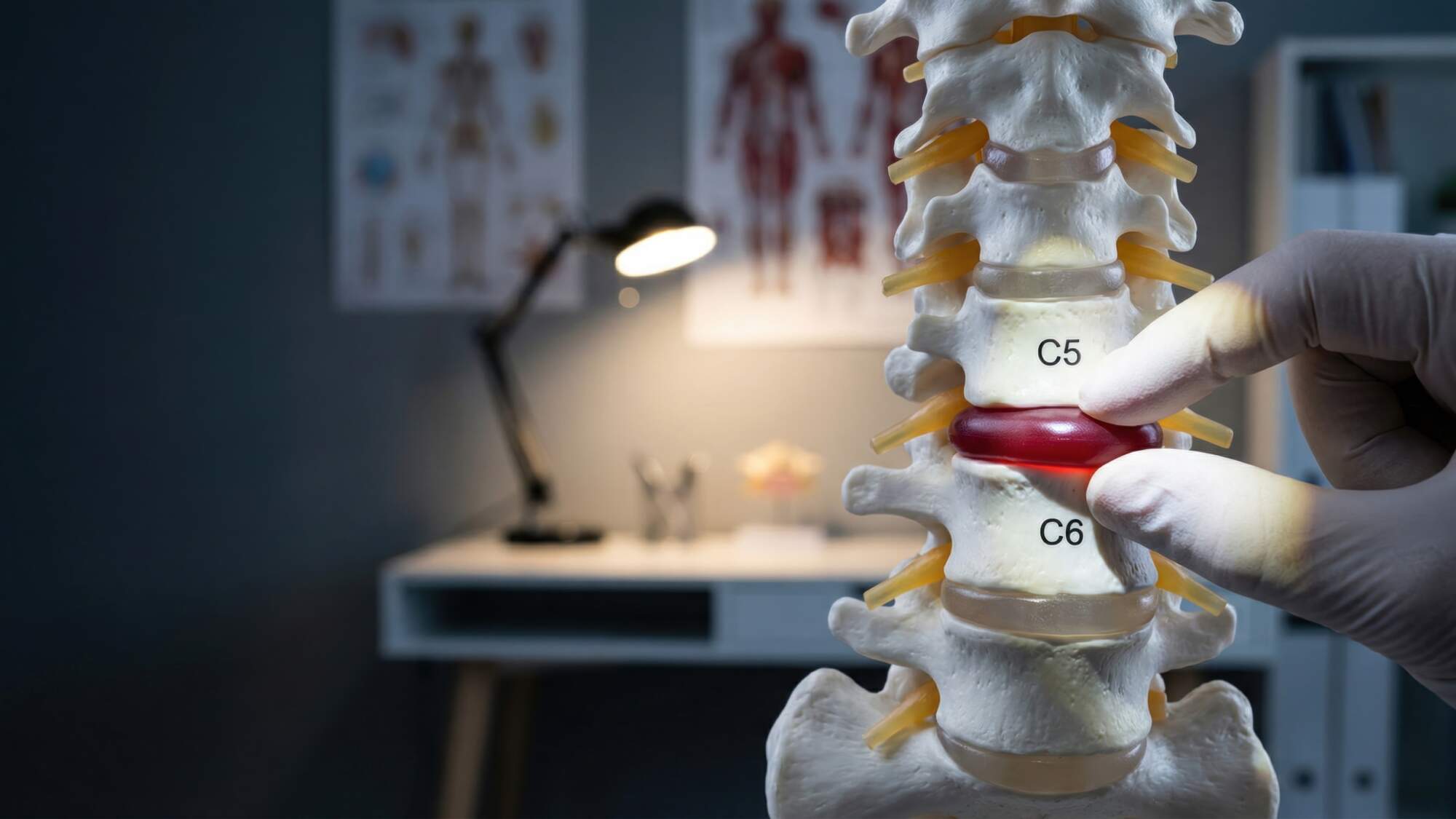
Understanding Subluxation in Children
A subluxation is a partial misalignment of the vertebrae that can interfere with nerve function and spinal mechanics. In children, subluxations often develop silently — without obvious pain or symptoms — making them easy to miss until they’ve already begun affecting posture, movement patterns, and overall development.
Kids encounter subluxations in surprisingly common ways. Birth itself can stress the spine. As children grow, falls during play, sports injuries, poor backpack habits, and prolonged screen time all contribute to spinal misalignment. The difference between adults and children is critical: a child’s spine is still developing, and early misalignments can become embedded into their growing structure, setting the stage for chronic issues later in life.
How Early Misalignments Compound Over Time
The spine doesn’t just support the body — it protects the nervous system, which controls everything from movement and coordination to immune function and organ health. When vertebrae shift out of alignment, they can irritate nerves and restrict normal spinal mobility. In a growing child, this interference doesn’t just cause immediate discomfort; it shapes how the spine develops.
Think of it like a tree growing with a slight lean. Left uncorrected, that lean becomes more pronounced as the tree grows taller. The same principle applies to a child’s spine. A minor misalignment at age 6 can compound into significant postural distortion by age 12, affecting how muscles develop, how the child carries weight, and how their nervous system functions. These patterns often persist into adulthood, creating the foundation for neck pain, back pain, and movement dysfunction that might not surface until the teen years or beyond.
Signs of Subluxation You Might Notice
Because subluxations can be asymptomatic, parents shouldn’t wait for obvious complaints. However, certain signs warrant a chiropractic evaluation:
- Persistent poor posture or slouching, even when reminded to sit up straight
- Favoring one side of the body or tilting the head habitually
- Frequent stumbling, clumsiness, or balance difficulties
- Complaints of neck or back stiffness after school or sports
- Limited neck rotation or difficulty turning the head
- Complaints of headaches or fatigue unrelated to illness
- Uneven shoulder or hip height
Even in the absence of these signs, preventive spinal checkups are valuable. Many parents bring their children in for dental exams and eye exams before any cavity or vision problem appears — the same logic applies to spinal health.
The Case for Early Chiropractic Checkups
A chiropractic evaluation from Dr. Holmes can detect subluxations before they become entrenched. Dr. Randall Holmes uses gentle, age-appropriate assessment techniques to evaluate a child’s spine, posture, and nerve function. Early detection allows for simple, non-invasive corrections that work with the child’s natural growth and development rather than fighting against years of compensatory patterns.
The goal isn’t to treat disease — it’s to optimize spinal alignment during the critical years when the spine is most responsive to care. A child whose spinal alignment is maintained during growth is more likely to develop strong posture, efficient movement patterns, and better nervous system function. These benefits extend beyond pain relief; they support athletic performance, concentration, immune resilience, and overall vitality.
Investing in Long-Term Health
Early chiropractic care is genuinely preventive. It’s an investment in your child’s structural health that pays dividends for decades. The minor time and cost of a checkup now can spare your child from years of postural compensation, chronic pain, and functional limitations later.
Parents in the Houston area who want to give their children this advantage are welcome to schedule a pediatric chiropractic evaluation. Dr. Holmes specializes in family care and works with kids of all ages to support their growing bodies and long-term wellness.
Call 713-862-2440 or visit our contact page.
Spinal Alignment Powers Athletic Performance in Teen Athletes

The Connection Between Spine and Sports Performance
If your teenage athlete is training hard but not seeing the results they expect, the issue might not be effort or conditioning—it could be spinal alignment. Many parents don’t realize that even small misalignments in the spine, called subluxations, can quietly undermine athletic performance and increase injury risk. Understanding this connection can help you support your young athlete’s potential and long-term health.
What Subluxations Do to Athletic Ability
Subluxations occur when one or more vertebrae shift slightly out of their ideal position. This might happen from a sports collision, repetitive strain, or even poor posture during training. Unlike a dramatic injury that causes immediate pain, subluxations often work silently in the background—but their effects are real.
When vertebrae are misaligned, they interfere with the nervous system’s ability to communicate with muscles and joints. This disrupts two critical components of athletic performance:
- Range of motion: Restrictions in spinal mobility limit how freely your teen can move. A baseball pitcher, soccer player, or gymnast operating with reduced range of motion loses power, speed, and precision—and compensates with other muscle groups, increasing injury risk.
- Proprioception: This is your body’s sense of where it is in space. Athletes with compromised proprioception have slower reaction times, poorer balance, and greater risk of falls and sprains. For a basketball player or volleyball athlete, even a small deficit compounds during high-speed movements.
The Performance Cost of Poor Alignment
Research and clinical observation show that teen athletes with undiagnosed subluxations often experience:
- Reduced agility and coordination during competition
- Chronic muscle tightness or imbalance that limits training progress
- Higher rates of repetitive strain injuries (tennis elbow, runner’s knee, shoulder impingement)
- Slower recovery between workouts and games
- Lingering soreness that doesn’t improve with rest alone
These issues don’t just frustrate young athletes—they can sideline them at critical moments in their season or academic career.
Chiropractic Care Restores Athletic Potential
Regular chiropractic adjustments from Dr. Holmes restore proper spinal alignment and unlock nervous system function. For teen athletes, this means:
- Better movement efficiency: Correct alignment allows muscles to fire in the right sequence and with full power, enhancing speed and coordination.
- Improved proprioception: When vertebrae are in place, sensory feedback from joints and muscles flows clearly to the brain, sharpening reaction time and balance.
- Faster recovery: Aligned spines reduce muscle compensation and inflammation, allowing athletes to train harder and bounce back quicker.
- Injury prevention: Preventive chiropractic care from Dr. Holmes catches and corrects small misalignments before they become major problems or sidelining injuries.
Preventive Care Matters for Young Athletes
The best time to invest in spinal health is during the teen years, when your athlete’s body is still building strength and movement patterns. Regular check-ups ensure that training stress doesn’t accumulate into long-term problems. Many young athletes who receive consistent chiropractic care report improved confidence, better performance metrics, and fewer injuries—advantages that carry through high school, college, and beyond.
If your teen is serious about their sport, spinal alignment should be part of their training strategy—just like strength work, technique drills, and nutrition. Dr. Holmes is experienced with young athletes and can assess alignment, identify subtle issues, and design a care plan that supports peak performance and lasting wellness.
Call 713-862-2440 or visit our contact page.
Balance and Gait

When Your Walk Becomes Unsteady
Do you find yourself feeling slightly off-balance when standing or walking? Maybe you’ve noticed your gait has changed—a slight shuffle, a tendency to veer to one side, or difficulty walking in a straight line. These aren’t just inconveniences. Your walking pattern and sense of balance are windows into your nervous system’s health, and changes often signal that something deeper deserves attention.
Balance and gait depend on a complex communication network: your inner ear, your eyes, your muscles, and—critically—your spine and nervous system. When vertebrae become misaligned (what chiropractors call subluxations), they can interfere with the nerve signals that coordinate all these systems. The result is poor proprioception—your body’s ability to sense where it is in space—which shows up as unsteady walking, stumbling, or a persistent feeling of disequilibrium.
Spinal Misalignment Affects Balance and Gait
Your spine houses the central nervous system, and nerves branch out from the spinal cord to communicate with every part of your body. When vertebrae slip out of alignment, they create what chiropractors call nerve interference—a disruption in the signals traveling between your brain, muscles, and balance centers.
This interference can impair proprioception in several ways. Misalignments in the cervical spine (neck) can affect the vestibular system—the inner ear structures responsible for detecting motion and gravity. Subluxations in the thoracic and lumbar spine compromise the nerve signals to your legs and core muscles, making it harder for your body to maintain stability and coordinate smooth, purposeful movement. Over time, this compensation can lead to muscle weakness, poor posture, and an increased risk of falls.
Not every stumble requires a doctor’s visit, but persistent balance issues or changes in your gait are worth investigating. Watch for these warning signs:
- Frequent stumbling or near-falls, especially in environments you navigate daily
- A noticeable change in how you walk (shuffling, dragging a foot, or leaning to one side)
- Dizziness or vertigo that worsens with certain head movements
- Feeling unsteady in the dark or when closing your eyes
- Difficulty walking heel-to-toe or maintaining a straight line
- Muscle weakness or cramping in your legs
- Recent injury or trauma to your head, neck, or lower back
If you’re experiencing any of these patterns, a comprehensive evaluation from Dr. Holmes can identify whether spinal misalignment or nervous system interference is playing a role.
Dr. Holmes takes a thorough, root-cause approach to balance and gait issues. Rather than treating symptoms in isolation, a complete assessment examines your spine’s alignment, nervous system function, muscle strength, and movement patterns. This might include orthopedic and neurological tests designed to pinpoint which structures are contributing to your imbalance.
Once the cause is identified, targeted chiropractic adjustments can restore proper spinal alignment, reduce nerve interference, and help your body reestablish healthy proprioceptive signals. Many patients notice improvements in balance and steadiness within weeks of beginning care—sometimes sooner, depending on the severity and duration of the problem.
Chiropractic care for balance disorders often includes postural education and exercises to strengthen stabilizing muscles and improve coordination. This proactive approach not only addresses current symptoms but also helps prevent future falls and injury.
Balance problems may seem like a minor nuisance today, but they often escalate. A single fall can result in serious injury, especially as we age. More importantly, persistent balance issues are your body’s way of signaling that your nervous system needs support. Addressing the root cause now—rather than waiting until a fall occurs—is the wellness-focused approach that makes sense.
If you’ve noticed changes in your balance or gait, don’t dismiss them. A comprehensive chiropractic evaluation can reveal whether spinal subluxation or nervous system interference is at work. Dr. Holmes and his team are here to help you restore stability, confidence, and safety in your daily movement. Contact our Houston office today to schedule your assessment and take the first step toward better balance and long-term vitality.
Call 713-862-2440 or visit our contact page.
Migraines vs. Tension Headaches

Understanding Your Headache
If you’ve ever wondered whether that throbbing pain behind your eyes is a migraine or just stress tightening the muscles in your neck, you’re not alone. Millions of people experience headaches regularly, yet many aren’t sure what type they’re dealing with. The good news: understanding the difference between common headache types is the first step toward real relief.
Tension Headaches: The Squeeze
Tension headaches are the most common type, affecting roughly 80% of headache sufferers. They feel like a tight band around your head, often described as a dull, pressing sensation. You might notice the tension starting in your neck, shoulders, or jaw and radiating upward into your scalp.
What causes tension headaches? Usually, it’s a combination of muscle tightness and stress. Poor posture — hunching over a computer, cradling your phone between your ear and shoulder, or sleeping in an awkward position — forces your neck and upper back muscles to work overtime. When those muscles stay contracted for hours, they create that characteristic squeezing feeling. Emotional stress and lack of sleep can make tension headaches worse.
Tension headaches typically last 30 minutes to several hours, and while they’re uncomfortable, they don’t usually cause severe pain or vomiting. Rest, heat, and gentle stretching often help, but the pain returns if the underlying tension isn’t addressed.
Migraines: The Throbbing Intensity
Migraines are different. They’re a neurological condition involving intense, throbbing pain — usually on one side of the head — and are often accompanied by sensitivity to light, sound, or nausea. Some people experience an “aura” before a migraine starts: visual disturbances, tingling, or temporary weakness.
Migraine triggers vary widely and can include stress, hormonal changes, certain foods, sleep disruption, or environmental factors like barometric pressure changes. Unlike tension headaches, migraines can last 4 to 72 hours and significantly disrupt daily activity.
Posture and Alignment
Here’s where chiropractic care from Dr. Holmes enters the picture. Many headaches — especially tension types — have a structural component. Misalignment in your cervical spine (neck) and upper back can pinch nerves, restrict blood flow, and trigger muscle tension that radiates into your head. Poor posture accelerates these problems by pulling your head forward, creating extra load on your neck joints and muscles.
When your head posture shifts even an inch forward, the muscles and ligaments in your neck must work much harder to support your skull’s weight. Over weeks and months, this leads to chronic tension, restricted motion, and headaches that seem to come out of nowhere.
Dr. Holmes can evaluate your spine and posture to identify structural issues that may be feeding your headaches. Through physical examination and imaging, we can detect misalignments, muscle imbalances, and movement restrictions that typical headache questionnaires might miss. This is especially useful if you’re unsure whether your headaches are purely stress-related or have a postural or alignment component.
For tension headaches linked to spinal misalignment or poor posture, chiropractic adjustments, soft tissue therapy, and posture correction can reduce or eliminate the root cause. For migraines, while the neurological component requires a broader approach, addressing cervical alignment and reducing neck tension can lessen frequency and severity in some cases.
Start tracking your headaches: When do they occur? What does the pain feel like? What are you doing when they start? Are you sitting at a desk, stressed about work, or recovering from poor sleep? These patterns reveal a lot. If you notice your headaches correlate with long work sessions or poor posture, structural factors are likely at play. If they arrive without obvious trigger, you may be dealing with migraines or stress that needs a different approach.
The key takeaway: you don’t have to guess. A professional evaluation can pinpoint whether your headaches stem from tension, alignment issues, stress, or a combination. Once you know what you’re dealing with, effective treatment becomes possible — and you can reclaim the pain-free life you deserve.
If you’re experiencing frequent headaches and want to understand what’s really going on, we’re here to help. Schedule a consultation today to get answers and start your path to relief.
Call 713-862-2440 or visit our contact page.
Back-to-School Stress

The Hidden Impact of Back-to-School Stress on Your Child’s Spine
September brings excitement — new clothes, fresh notebooks, and reunions with friends. But for many children, the transition back to school also brings real physical stress. New routines, anxiety about fitting in, longer days at a desk, and the weight of a backpack all add up. What parents often don’t realize is that this stress doesn’t just affect your child’s mood — it directly impacts their spinal health and posture.
When kids are anxious or tense, their muscles tighten. Their shoulders creep up toward their ears. They slouch over desks. Their breathing becomes shallow. Over weeks and months, these postural habits can misalign the spine, reduce mobility, and set the stage for chronic discomfort later in life.
Anxiety Affects Physical Posture
Stress and anxiety are felt in the body before they’re consciously recognized in the mind. Children carrying worry about a new school, tough classes, or social concerns often hold tension in their neck, shoulders, and upper back. This muscle guarding — a natural protective response — can pull vertebrae out of alignment and restrict normal spinal movement.
Add classroom posture to the mix. Kids hunched over desks, craning their necks at screens during computer labs, or carrying heavy backpacks on one shoulder are compounding the problem. The combination of emotional stress and physical strain creates a perfect storm for spinal misalignment.
A Back-to-School Alignment Checkup Matters
Just like you take your child to the pediatrician for a back-to-school physical, a preventive alignment evaluation with a pediatric chiropractor is an investment in their long-term health. An alignment checkup can:
- Identify postural problems early — before they become entrenched habits or cause pain
- Assess spinal mobility — ensuring your child’s spine can move freely and support them through a busy school day
- Relieve muscle tension — helping your child release the physical holding patterns that anxiety creates
- Improve body awareness — teaching kids how to sit and stand in ways that support their spine
- Boost confidence — a child who feels physically comfortable and aligned often feels more emotionally resilient too
A back-to-school alignment evaluation is also a teaching moment. During the visit, your child learns practical tips for maintaining good posture at their desk, how to wear a backpack without straining their spine, and simple stretches they can do between classes or at home.
These habits — proper posture, mindful movement, and spinal awareness — carry forward throughout the year. A child who starts the school year aligned and informed is more likely to stay healthy, focused, and pain-free as demands increase.
The Confidence Connection
There’s another benefit that parents often notice: kids who receive chiropractic care from Dr. Holmes and feel physically supported tend to carry themselves differently. Better posture and spinal alignment improve breathing, which calms the nervous system. A child who stands tall and breathes deeply is more confident, more engaged in class, and better equipped to handle the social and academic pressures of a new school year.
Preventive wellness isn’t about treating pain — it’s about building a strong foundation. When you bring your child in for a back-to-school alignment checkup, you’re saying: Your health matters. I want you to feel your best as you take on this new chapter. That message resonates with kids, and it sets them up for a healthier, more vibrant school year.
If your child is starting school soon, consider scheduling an alignment evaluation with Dr. Holmes now. A few proactive minutes in August can prevent months of unnecessary strain, discomfort, and missed opportunities. Your child deserves to feel aligned, confident, and ready to learn.
Call 713-862-2440 or visit our contact page.
Breathing Better

The Connection Between Posture and Breath
You probably don’t think about your breathing until you’re out of breath. But every single day, your posture is either helping or hindering the way oxygen moves through your body. The link between spinal alignment and breathing capacity is mechanical, measurable, and often overlooked — yet it touches everything from your energy levels to your sleep quality to your athletic performance.
Your diaphragm, the large muscle beneath your lungs that powers your breathing, doesn’t work in isolation. It works in partnership with your spine, ribs, and the muscles of your chest and neck. When your spine is aligned and your shoulders sit back naturally, your diaphragm has room to expand fully with each breath. When your posture rounds forward or your head juts ahead of your shoulders, that space collapses.
What Happens When Posture Compresses Your Breathing
Rounded shoulders and forward head posture — conditions many of us develop from desk work, phone use, or driving — physically restrict your rib cage. Your ribs can’t expand as fully, so your lungs can’t fill completely. This forces you to rely more on shallow, chest-based breathing rather than deep diaphragmatic breathing. Over time, your body never quite gets the full oxygen load it needs.
The consequences are subtle but real. You might feel more tired without knowing why. Your sleep quality may suffer because shallow breathing disrupts your sleep cycles. Your muscles don’t recover as efficiently after exercise. Your brain works harder to process information when oxygen flow is restricted. Even your mood and focus can suffer when breathing is shallow and inefficient.
Forward head posture is particularly problematic. For every inch your head moves forward from its neutral position, the weight and strain on your neck and upper spine increases dramatically. This tension restricts blood flow and nerve function in the upper chest and neck region, further limiting your breathing capacity and creating a cycle of tension and reduced oxygen intake.
How Better Alignment Opens Your Airways
When your spine is properly aligned, your whole breathing system works more efficiently. Diaphragms can move freely up and down. Your rib cage can expand fully with each breath. Your lungs have maximum space to fill with oxygen. This isn’t just theory — people often notice they breathe more easily and feel less winded with simple posture adjustments.
Dr. Holmes focuses on restoring proper spinal alignment, which directly improves the mechanical function of your rib cage and diaphragm. As vertebrae move back into their correct position, nerve function improves, muscle tension releases, and your breathing becomes deeper and more efficient. Many patients report feeling more energized, sleeping better, and recovering faster from exercise after their alignment improves.
Better breathing capacity affects far more than just oxygen intake. It influences your nervous system, your energy production, your sleep architecture, and even your athletic performance. Athletes know this intuitively — proper breathing technique is foundational to endurance and power. What many people don’t realize is that your baseline posture sets the ceiling for how well you can breathe, even during exercise.
For parents, this matters for your kids too. Children developing poor posture habits early — from backpacks, screens, or sports — are establishing breathing patterns that can affect them for years. Teaching good posture and addressing spinal alignment early can set them up for better breathing, better sleep, and more energy throughout their lives.
Start With Awareness
The first step is noticing your own posture throughout the day. Are your shoulders rounded? Is your head forward? Do you feel tightness in your chest or upper back? These are signs your breathing may be compromised. From there, chiropractic alignment can help restore the spinal position your body needs to breathe fully and function at its best.
Breathing is the foundation of your vitality. Make sure your posture isn’t standing in its way.
Call 713-862-2440 or visit our contact page.
Posture and Heart Health

The Link Between Your Spine and Your Heart
Most people think of heart health in terms of diet, exercise, and stress management—and those matter deeply. But there’s another factor that often gets overlooked: your posture and spinal alignment. The truth is, the way you hold your body throughout the day has a direct impact on how well your heart pumps blood, how efficiently your nerves regulate heart rhythm, and how effectively oxygen circulates to every cell in your body.
When your spine is misaligned—a condition chiropractors call a subluxation—it doesn’t just cause neck or back pain. It can interfere with the nerves that control cardiovascular function, restrict blood flow, and compress organs. Over time, these mechanical disruptions add up, affecting your long-term health and vitality.
How Poor Posture Restricts Blood Flow
When you slouch or allow your shoulders to roll forward, you’re literally closing off the space in your chest cavity. This rounded, collapsed posture compresses your lungs, heart, and major blood vessels. Your heart has to work harder to pump blood against that physical resistance, and oxygen-rich blood doesn’t reach your tissues as efficiently as it should.
Think of it like kinking a garden hose. Even if the pump is working fine, the flow is reduced. The same principle applies to your cardiovascular system. Over hours and days of poor posture—whether you’re hunched over a desk, staring down at your phone, or gripping the steering wheel during a long commute—you’re gradually limiting circulation and forcing your heart to compensate.
Spinal Alignment and the Nerves That Control Heart Rhythm
Your nervous system is intimately connected to your heart. The vagus nerve, which runs from your brainstem down through your chest and abdomen, plays a central role in regulating heart rate and rhythm. When vertebrae in your neck and upper back become misaligned, they can irritate or compress this nerve, disrupting its ability to communicate with your heart.
When that happens, your heart may work irregularly—beating too fast, too slow, or with an uneven rhythm. Your body is essentially operating without optimal nervous system control over one of its most vital functions. Chiropractic adjustments restore proper vertebral alignment, which takes pressure off these critical nerves and allows your nervous system to function as it was designed to.
Everyday Habits That Compound Over Time
Most of us don’t wake up with severe posture problems. The damage is cumulative. A few hours of laptop work here, a long drive there, years of reaching for your phone—these habits gradually shift your spine out of alignment. Each day of compromise adds another layer, and before you know it, your cardiovascular system is operating under chronic stress.
This is why preventive chiropractic care is so valuable. Regular adjustments catch these small misalignments before they compound into larger problems. You’re not waiting for pain to signal that something is wrong; you’re actively maintaining spinal health so your heart can function optimally.
If you’re a parent, this matters even more. Children who see you prioritizing posture and spinal health learn that wellness is a practice, not an emergency response. When you sit up straight, take breaks from screens, and invest in regular chiropractic care from Dr. Holmes, you’re teaching your kids that their bodies deserve attention and care long before problems develop.
Family chiropractic care from Dr. Holmes—for both adults and children—reinforces the idea that health is something we actively build, day by day. Good posture, spinal alignment, and nervous system function support not just your heart, but your entire sense of vitality.
Your posture and spinal alignment are investments in your heart’s long-term health. If you’re concerned about your cardiovascular wellness, or if you want to model proactive health habits for your family, spinal alignment is a powerful place to start. Dr. Holmes can assess your alignment, identify areas where misalignment may be affecting circulation and nerve function, and create a personalized plan to support your vitality for years to come.
Call 713-862-2440 or visit our contact page.
Back-to-School Posture

Back-to-School Posture Matters
Summer freedom is ending, and back-to-school season is here—along with new desks, new backpacks, and new daily routines. While you’re shopping for supplies and picking out clothes, it’s easy to overlook one crucial factor that affects your child’s health all school year long: posture.
The way your child sits at a desk, carries their backpack, and moves throughout the day has a direct impact on spinal development. Poor posture habits formed now can lead to chronic pain, reduced mobility, and postural imbalances that worsen over time. The good news is that a few intentional adjustments before the semester starts can set your child up for a healthier, more comfortable school year.
The Backpack Problem
Let’s start with one of the biggest culprits: backpack weight and fit. A heavy, poorly fitted backpack forces your child’s spine to curve unnaturally as they compensate for the load. Over months of daily use, this repeated strain can cause misalignment and muscle fatigue.
- Aim for 10-15% of body weight: A 50-pound child should carry no more than 5–7.5 pounds.
- Use both straps: Slinging the backpack over one shoulder dramatically increases spinal stress.
- Pack smart: Heavier items go at the bottom and closest to the spine. Distribute weight evenly side to side.
- Consider the design: Look for backpacks with padded, adjustable straps and a supportive back panel that hugs the spine.
Before school starts, have your child pack their typical load and walk around. Does the backpack sit at their lower back? Do they lean forward? These are signs the pack is too heavy or poorly balanced.
Desk Ergonomics and Sitting Posture
Your child will spend 6+ hours a day at a school desk. Even a small ergonomic mismatch compounds into real spinal stress.
At home, evaluate their homework setup. The desk should allow their elbows to bend at roughly 90 degrees when their feet rest flat on the floor. The monitor or paper should be at eye level—not too high, which tilts the head back, and not too low, which causes forward head posture. Their lower back should be supported by a chair with proper lumbar support, not slouched or hyperextended.
If your child uses a computer for schoolwork, laptop stands or external keyboards can prevent the hunching that develops from looking down at a screen for extended periods. Small adjustments now prevent the rounded-shoulder, forward-head posture that’s increasingly common in young students.
Sitting isn’t inherently bad—poor sitting habits are. Encourage your child to take micro-breaks: stand up, stretch, roll their shoulders, and reset their posture every 20–30 minutes. Even at school, they can incorporate these habits during transitions between classes.
Movement and exercise strengthen the muscles that support the spine. Sports, dance, swimming, or even a regular walk after school helps build the core strength and flexibility that prevent postural collapse during long study sessions.
The Power of a Spinal Assessment
One of the best gifts you can give your child before back-to-school season is a spinal assessment. A chiropractic evaluation can identify postural imbalances, structural issues, or movement patterns that could lead to pain or dysfunction down the road.
Using methods like Chiropractic BioPhysics assessment, Dr. Holmes can measure spinal alignment, identify areas of restricted motion, and spot habits—like forward head posture or scoliosis—that benefit from early intervention. Catching these issues now, before a semester of new desks and routines locks poor posture into place, prevents months of discomfort and supports healthy spinal development.
Prevention is always easier—and far gentler—than correction after pain has developed. A quick spinal check-up before fall semester starts gives you a clear picture of your child’s spinal health and actionable steps to protect it.
Start the Year Right
Back-to-school prep usually means new pencils and fresh folders. This year, add spinal health to your checklist. Evaluate your child’s backpack and desk setup, encourage healthy sitting habits, and consider a baseline spinal assessment from Dr. Holmes.
These steps lay the foundation for a pain-free, healthy school year—and good postural habits that will serve them for life.
Call 713-862-2440 or visit our contact page.