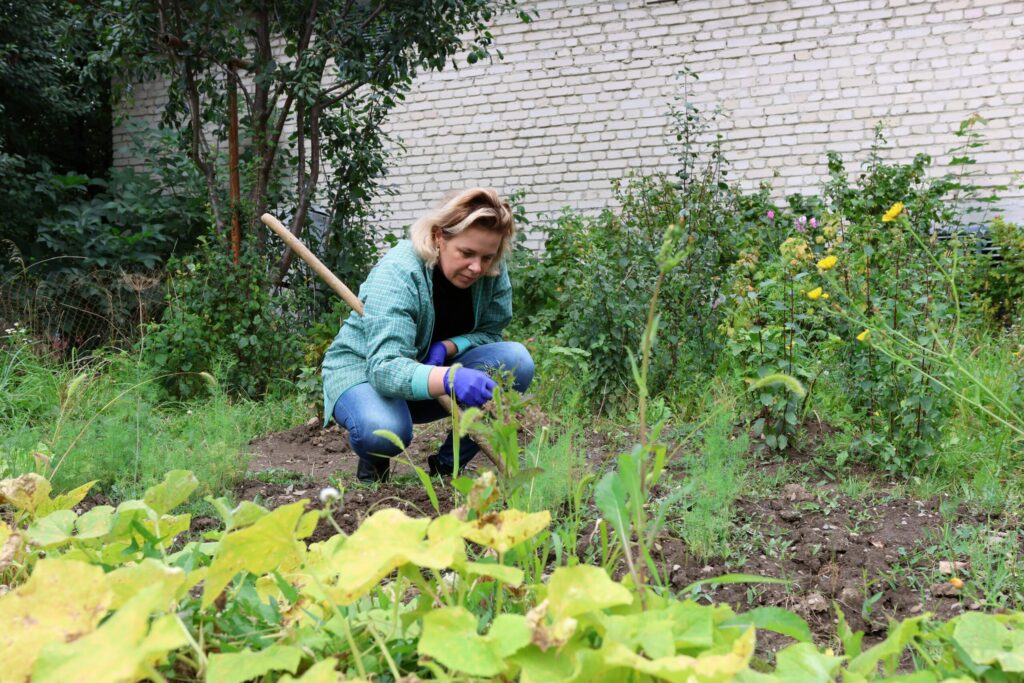
Weekend Gardening
You spend your weekdays at a desk or in back-to-back meetings, moving minimally and sitting for hours. Then Saturday arrives, and you’re suddenly digging, planting, weeding, and hauling mulch for four or five hours straight. Sound familiar? For many Houston professionals, weekend gardening is a cherished escape—but it’s also a hidden threat to spinal health.
This boom-and-bust activity pattern is what we call the “weekend warrior” trap, and it’s especially risky for your spine. When your body goes from low-activity to high-demand without preparation or regular movement throughout the week, your spine and supporting muscles are unprepared for the sudden load.
Your Spine Struggles with Burst Activity
Your vertebrae, discs, and supporting musculature are designed for consistent, varied movement. During a sedentary work week, the muscles that stabilize your spine—your core, lower back, and neck stabilizers—gradually weaken and become less responsive. Sitting in one posture for extended periods also creates muscle imbalances and tightness.
When you launch into intensive gardening on the weekend, you’re asking an unprepared spine to handle repetitive bending, twisting, lifting, and uneven weight distribution. Your spine’s stabilizing muscles fatigue quickly because they haven’t been conditioned through the week. This fatigue leads to poor movement patterns, uneven loading on your vertebrae, and increased risk of subluxation (misalignment).
The risk is compounded by gardening’s nature: you’re often working in bent-forward positions, turning your torso while holding weight, and repeating the same motions—all movements that place stress on your lower back and lumbar discs. Add Houston’s humidity and heat, which can increase muscle tension, and you’ve created a perfect storm for spinal strain.
As we move into spring and summer in Houston, gardening activity naturally intensifies. You’re planting new gardens, maintaining landscaping, and spending longer hours outdoors as the weather improves. This seasonal surge in activity compounds the weekly boom-bust cycle. Many gardeners jump from minimal activity in winter to peak-season intensity without gradually building up their physical capacity.
This sudden jump is exactly when we see an uptick in patients presenting with lower back pain, mid-back tightness, and neck strain—all triggered by increased gardening demand. The spine needs time to adapt to new demands, but the weekend gardener rarely provides it.
Friendly Habits for Your Gardening Lifestyle
Move consistently during the week. Even light activity—a 15-minute walk, gentle stretching, or short strength exercises—keeps your stabilizing muscles engaged and ready. This primes your spine for weekend activity and reduces injury risk dramatically.
Warm up before gardening. Spend 10 minutes moving gently, warming up your muscles, and activating your core before you start planting or digging. This helps your spine transition from low-demand to high-demand work.
Practice good gardening posture. When possible, use raised beds or kneeling pads instead of forward bending. Take frequent breaks to straighten and stretch. Vary your tasks—don’t spend two hours in one bent posture.
Don’t skip chiropractic care during busy seasons. This is crucial. Regular check-ups every 2–4 weeks during gardening season help catch misalignments early, before they develop into pain or injury. Your chiropractor can also address the muscle imbalances and movement patterns that weekend-heavy activity creates.
Many weekend gardeners come in after pain has already developed—often weeks after the initial strain. By then, poor movement patterns have become habitual, and the spine has accumulated compensatory stress. Prevention through consistent movement, regular chiropractic alignment checks, and mindful gardening habits keeps you pain-free and enjoying your weekend passion.
Your spine thrives on consistency and preparation. If gardening is part of your weekend routine, treat it as a sport that deserves warm-up, conditioning, and regular professional support. Your back will thank you when you’re still gardening comfortably for years to come.
Ready to talk? Call 713-862-2440 or visit our contact page.